Old steel, old rubber, careful handling
Classic and collector car storage
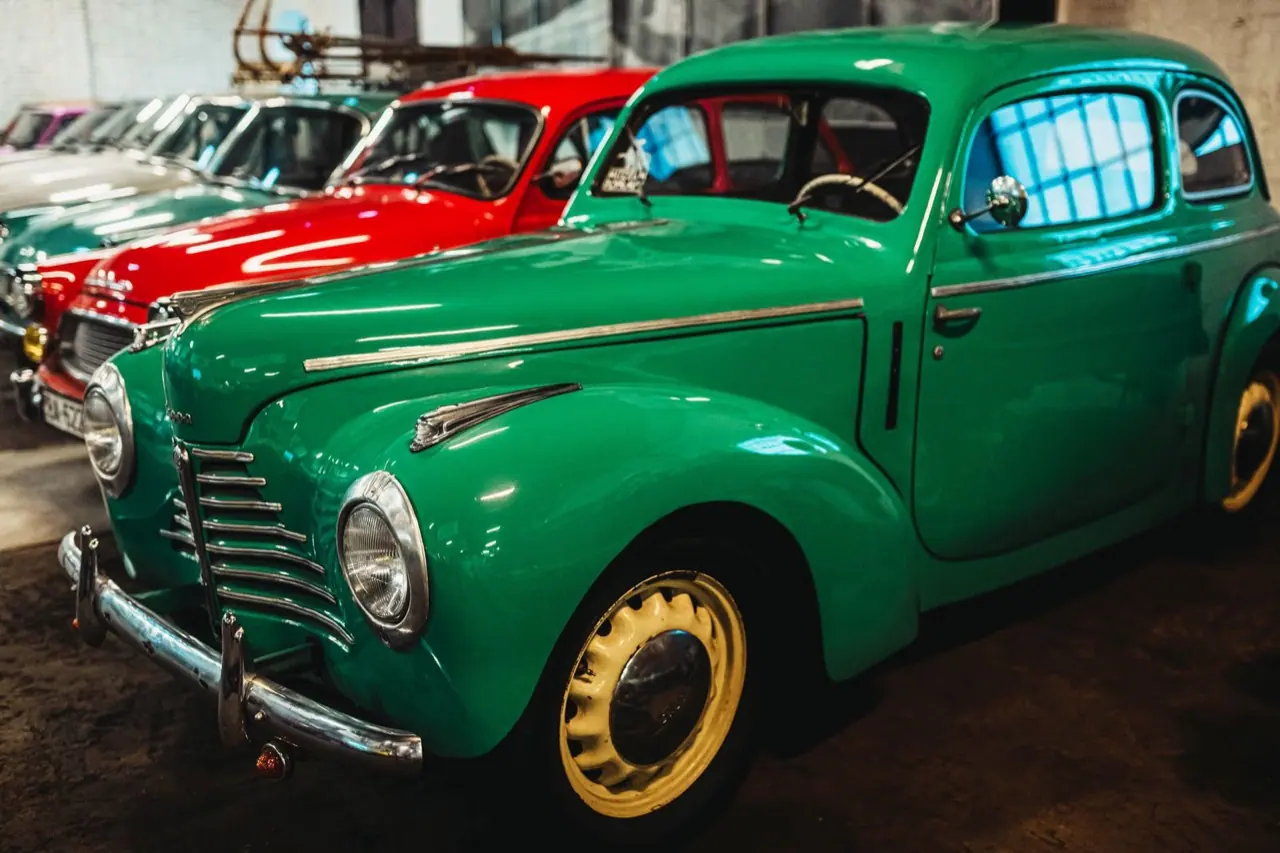
A classic suffers most from damp, freeze-thaw and careless moving. Heated or climate-controlled storage, a flatbed rather than a tow, and a building where nobody climbs over your car. Send the details and we find space that fits.

What a classic needs
Steady temperature and low humidity keep surface rust, mould in the interior and cracked rubber away. A climate-controlled building does this best. A heated one is the next step down.
Ask how cars are moved. In many shared buildings staff shuffle cars to reach others. For a classic, ask for a spot where it does not need to move until spring, or a private unit.
Questions to ask
Temperature and humidity
What range, and how it is measured. A number is better than "climate-controlled".
Who drives the car
Ideally nobody. If it must move, who does it and how.
Transport
Enclosed or open flatbed, soft straps, wheel nets. See pickup and delivery.
Access
Can you visit, work on it, or show it during the winter?
Insurance
Collector insurance often has storage conditions. Check them before you book. See insurance while stored.
What it costs
| Item | Starting price |
|---|---|
| Heated or climate-controlled indoor | from $150/month |
| Private drive-up unit, 10 x 20 ft | from $120/month |
| Winter package, indoor, November to April | from $700 per winter |
| Flatbed pickup or delivery, local | from $120 one way |
| Breathable indoor car cover | from $60 |
Starting prices in CAD before tax, from published storage rates and market estimates, October 2026. The facility, your car and the dates set the final price.
Classic car questions
Is a heated garage enough for a classic?
Usually, if it stays dry. Damp is the bigger enemy than cold. A dehumidifier or a climate-controlled building helps more than extra heat.
Should I put the car on stands?
For a long stay, some owners use stands or tire cradles to avoid flat spots. Ask whether the facility allows it.
Tell us about your car. We find the spot.
Storage type, car, city and how long. We check what is open near you and reply by email with options and prices.